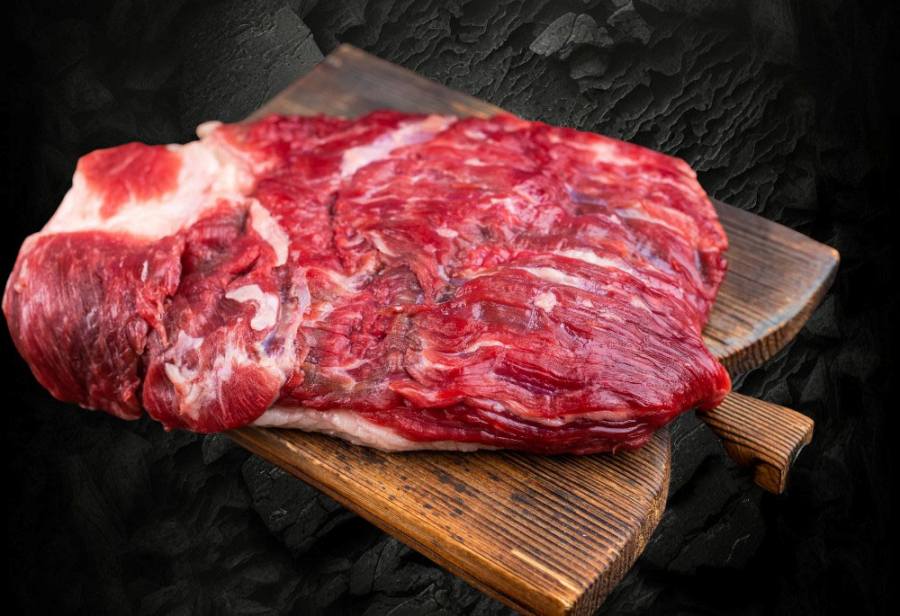
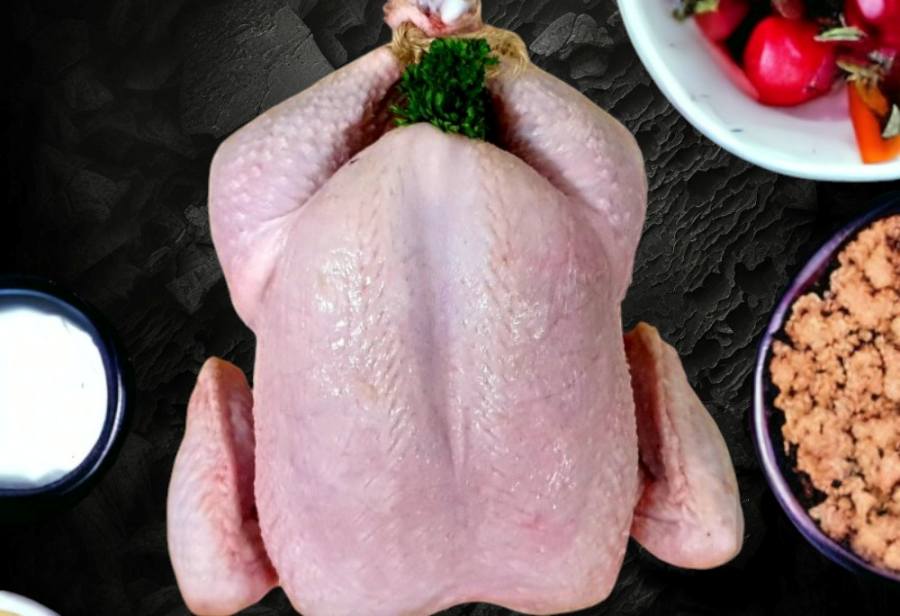
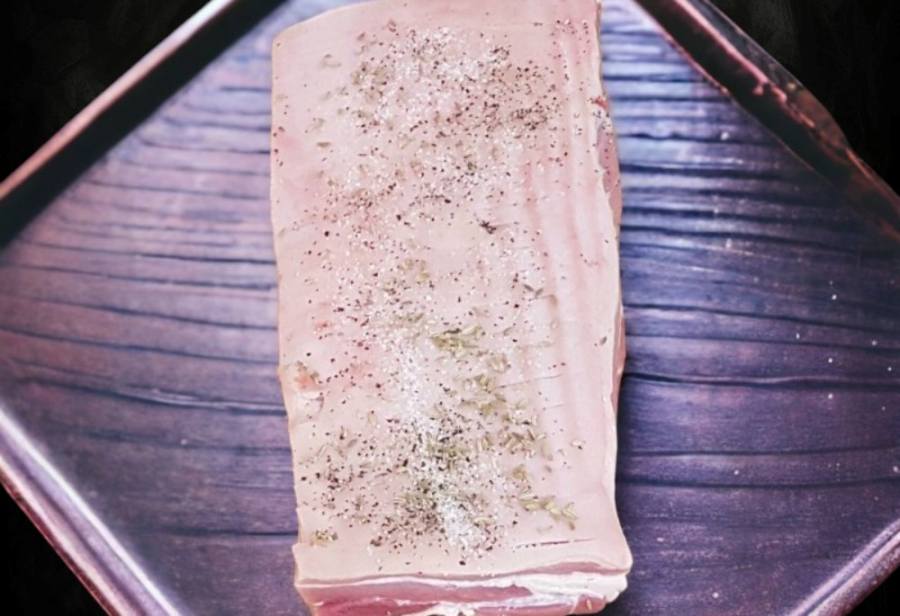
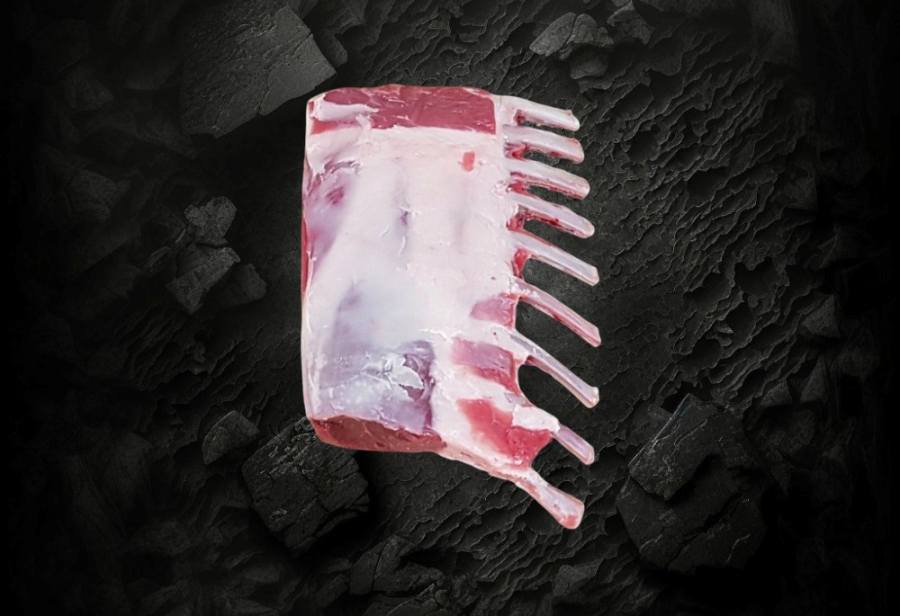
Resting is one of the most important steps in cooking meat well, and one of the most often skipped. Taking even a few extra minutes to rest makes a real difference to the eating quality of steaks, roasts, and chops.
Cooking Time
Rest time: 5 mins (steaks) / 10–15 mins (chops) / 15–20 mins (roasts)
Internal Temp
Temperature will continue to rise 2–5°C during resting; factor this in
Serves
Applies to all portions and roast sizes
Best Cut
Temperature will continue to rise 2–5°C during resting; factor this in
The Butcher's Tip
When meat rests, the fibres relax and the juices redistribute back through the cut. Slice too early and those juices end up on your board, not in your mouth. A general rule is 5 minutes for steaks and 15–20 minutes for larger roasts.
Why This Works
As meat cooks, the juices move toward the centre. Resting gives those juices time to redistribute throughout the meat, resulting in a more tender, flavourful and juicy final result.
Common Mistakes To Avoid
Cutting immediately
The juices will run onto the board instead of staying in the meat.
Wrapping too tightly
Loosely cover with foil rather than sealing the meat completely.
Resting too long
Leaving meat too long can allow it to cool unnecessarily.
Skipping the resting step
Even a short rest noticeably improves tenderness and juiciness.
Quick Guide
01
Remove from the heat
Transfer the meat to a warm plate or board.
02
Cover loosely
Tent loosely with foil rather than wrapping tightly.
03
Allow time to rest
Smaller cuts need only a few minutes, while large roasts require longer.
04
Slice correctly
Slice across the grain where appropriate.
05
Serve immediately
Enjoy while still warm and juicy.
Pro Tip
Resting isn't wasted time—it's one of the easiest ways to improve tenderness and flavour.
Did You Know
Meat doesn't stop cooking the moment it leaves the heat. Larger roasts can continue to rise a few degrees in temperature while resting—a process known as carryover cooking.